
 Updated October 2026 · By Jay Holt, BS in Nutrition (University of Florida), living with reflux and Barrett’s for 19 years
If you have Barrett’s esophagus and love coffee, you may be wondering: Do I really have to give up coffee?
The short answer
Not always. Many people with Barrett’s can still have some coffee, but if it gives you heartburn, it’s worth cutting back. Start with one small cup, drink it with food, and have it early in the day. Decaf is gentler for some people. Skip the big flavored coffee drinks. And ask your doctor what makes sense for you, since Barrett’s needs regular follow-up.
Can I Drink Coffee With Barrett’s Esophagus?
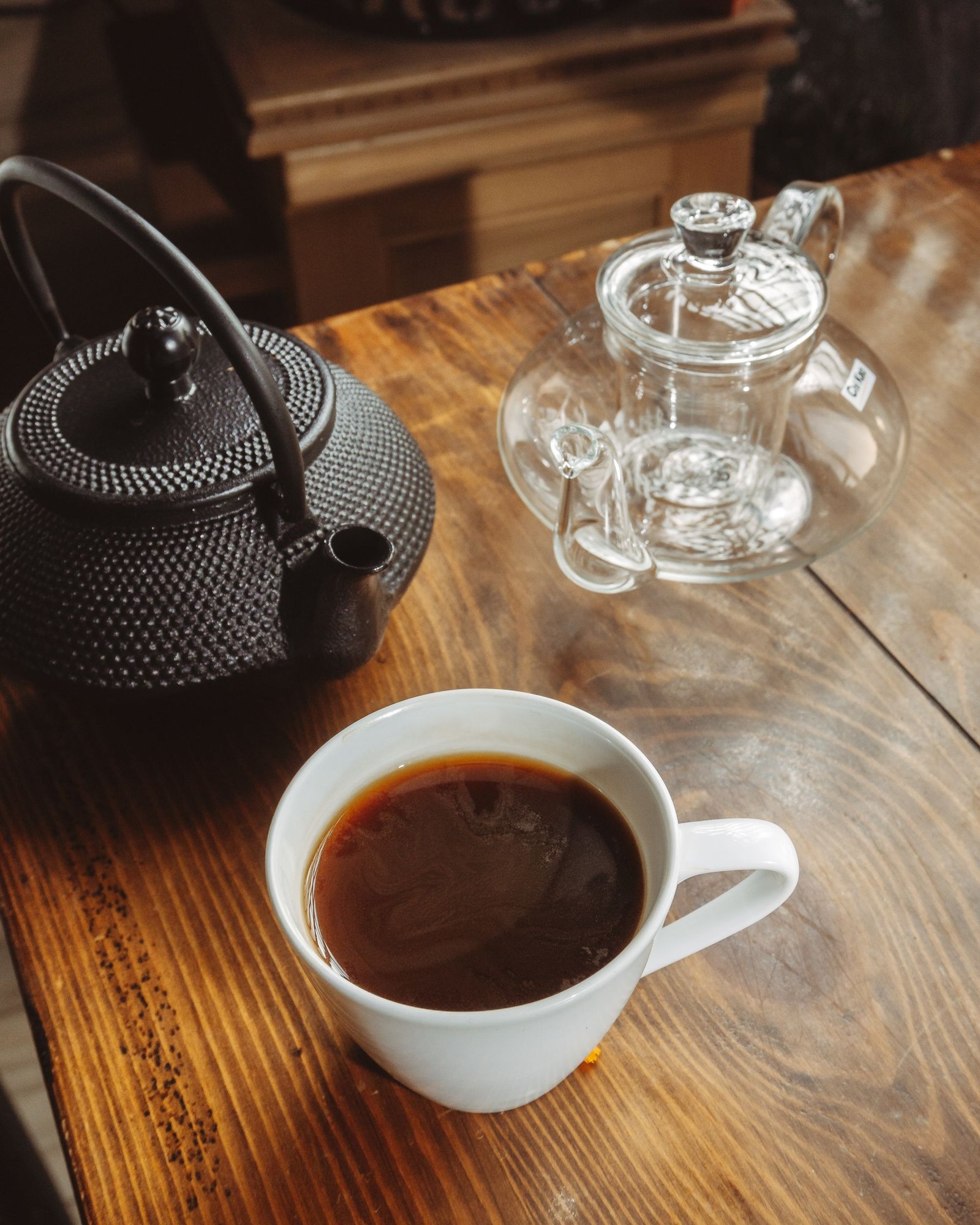
There is not a universal rule saying that everyone with Barrett’s esophagus must completely avoid coffee. The more important question is whether coffee worsens your acid reflux or GERD symptoms. Some people notice more heartburn, regurgitation, throat irritation, or other reflux symptoms after drinking coffee. Others can drink a moderate amount without obvious symptoms. If coffee consistently makes your reflux worse, reducing it or avoiding it may be worth trying.Why Can Coffee Trigger Acid Reflux?
Coffee may aggravate reflux symptoms in some people. However, individual responses vary considerably. The caffeine, other compounds in coffee, the amount you drink, and what you add to it can all affect how you feel. For example, a large coffee loaded with high-fat cream or chocolate may affect someone differently than a small cup of plain coffee.Does Coffee Cause Barrett’s Esophagus?
Drinking coffee does not mean that you will develop Barrett’s esophagus. Barrett’s esophagus is associated with long-term GERD, in which stomach contents repeatedly reflux into the esophagus. If you already have Barrett’s esophagus, the goal is generally to work with your healthcare provider to manage reflux and follow the recommended medical surveillance plan.Can I Drink Decaf Coffee With Barrett’s Esophagus?
For a lot of people, decaf is the easiest place to start. It has only a small amount of caffeine, so some people find it much gentler than regular coffee. But decaf is still coffee. It has the same roasted taste and many of the same natural compounds, so it can still cause heartburn for some people. If regular coffee bothers you, try a week of decaf and write down how you feel. If decaf still bothers you, that tells you something too. The key is paying attention to your own response rather than assuming that one rule applies to everyone.How Much Coffee Is Okay With Barrett’s?
There’s no magic number that’s safe for everyone. If you want to keep coffee in your life, I’d start with one small cup (about 8 ounces, a regular mug, not a giant travel cup) and see how your body handles it for a week or two. Refills add up fast. Three or four cups spread through the morning can bother you even when one cup doesn’t.When Is the Best Time to Drink Coffee?
- With food, not on an empty stomach. Coffee with breakfast tends to sit better than coffee first thing on its own. A bowl of oatmeal or a couple of simply cooked eggs is a good partner.
- Earlier in the day. If nights are your hardest time, try keeping coffee to the morning. More on that in why acid reflux gets worse at night.
- Sitting up. Don’t drink a cup and then lie back down.
How to Make Coffee Easier on Reflux
If you enjoy coffee and don’t want to give it up, consider experimenting with a few changes:- Try a smaller serving.
- See whether decaffeinated coffee feels better.
- Avoid drinking several large cups throughout the day.
- Go easy on what you add. A splash of low-fat milk or a plant milk is usually fine. Heavy cream, whipped cream, chocolate (mocha), peppermint flavors, and big sugary syrups are common troublemakers.
- Try a lower-acid or cold brew coffee if regular coffee bothers you. Some people find it gentler, though it doesn’t work for everyone.
- Avoid drinking coffee close to bedtime if nighttime reflux is a problem.
- Keep track of your symptoms and look for a consistent pattern.
Should You Stop Drinking Coffee?
If coffee does not appear to worsen your symptoms, you may not necessarily need to eliminate it simply because you have Barrett’s esophagus. But if you repeatedly notice reflux after drinking coffee, try reducing the amount, switching to decaf, or temporarily eliminating it and observing what happens. Food and beverage triggers can vary significantly from one person to another.What to Drink Instead of Coffee
If you decide to cut back, it helps to have something warm to reach for in its place. Some gentle options:- Decaf coffee, if it sits well with you
- A caffeine-free herbal tea
- Warm low-fat milk or a plant milk
- Plain water, which is still the best everyday drink
My Evening Tea Ritual
After 19 years of reflux and a Barrett’s diagnosis, my last scope came back clear: my doctor told me I no longer have Barrett’s. Here’s exactly what I did: I changed what and when I ate, worked on my weight and my sleep, followed my doctor’s plan, and drank a cup of Barrett’s Tea every single night. It’s a caffeine-free blend of licorice root, ginger, chamomile, lemon balm and milk thistle, and it’s the one thing I never skipped. If you’re lying awake tonight wondering what to try next, this is where I’d start.
Try Your 30-Day Ritual for $19