
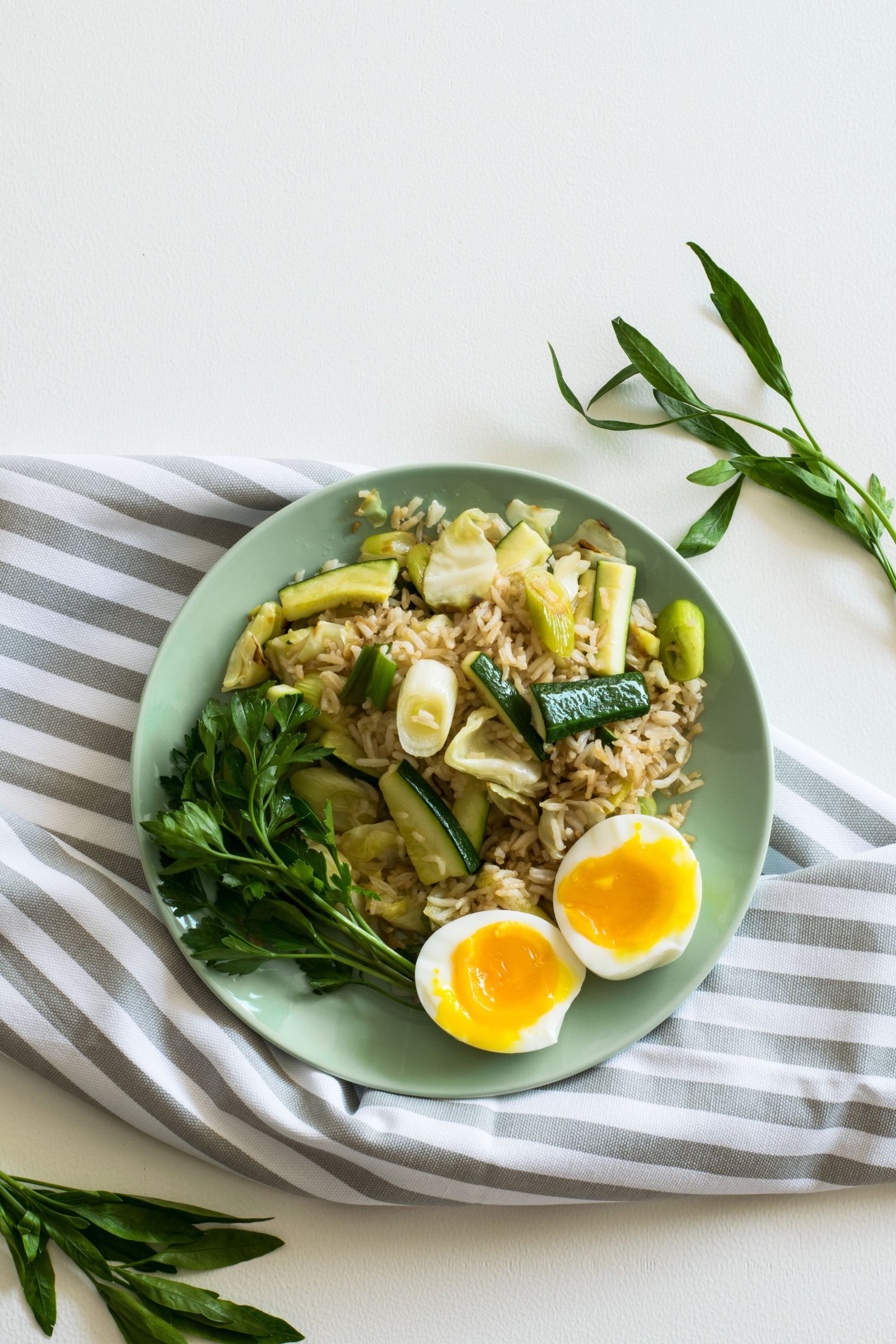
The short answer
A Barrett’s esophagus diet is really a gentle reflux diet. The foods I eat most: oatmeal, bananas, melon, pears, cooked vegetables, chicken, turkey, fish, eggs, brown rice, and sweet potatoes. The foods I avoid or keep small: fried and fatty food, tomato sauce, citrus, chocolate, mint, coffee, alcohol, and spicy dishes. Just as important: eat smaller meals, and don’t have anything big within 3 hours of bedtime.Jump to: Foods I eat · Foods to avoid · Free 7-day menu · Easy recipes · Common questions
Barrett’s Esophagus Diet Menu (7 Days) at a Glance
Here’s my whole week on one screen. Snacks, tips, and easy recipes are in the printable 7-day menu below.| Day | Breakfast | Lunch | Dinner | Snack |
|---|---|---|---|---|
| Day 1 | Banana oatmeal (R1) | Grilled chicken, brown rice, green beans | Herb-baked cod (R4), sweet potato, broccoli | Honeydew melon |
| Day 2 | Egg-white scramble on toast (R2) | Turkey sandwich + a pear | Baked chicken, quinoa, roasted zucchini | Low-fat yogurt + honey |
| Day 3 | Whole-grain cereal + peaches | Chicken & rice bowl (R3) | Turkey & squash skillet (R5) | Gentle snack mix (R6) |
| Day 4 | Banana oatmeal (R1) (try apple + cinnamon) | Leftover turkey & squash over greens | Baked salmon, asparagus, brown rice | Banana |
| Day 5 | Two boiled eggs + toast | Tomato-free lentil & carrot soup | Grilled chicken, mashed sweet potato, green beans | Cantaloupe |
| Day 6 | Banana-spinach-oat smoothie | Tuna with yogurt on greens | Baked turkey meatballs, olive oil & herb pasta, zucchini | Gentle snack mix (R6) |
| Day 7 | Egg-white scramble (R2) or oatmeal with pear | Chicken & rice bowl (R3) (use barley) | Herb-baked fish (R4) (tilapia), quinoa, squash | Low-fat yogurt + melon |
Barrett’s Esophagus Food List: Foods I Eat
Everyone’s tolerance is different, but many people with reflux do well building meals around relatively simple, minimally processed foods.Vegetables
Consider experimenting with vegetables such as:- Broccoli
- Green beans
- Carrots
- Asparagus
- Zucchini
- Cucumbers
- Spinach and other leafy greens
- Sweet potatoes
- Squash
Lower-Acid Fruits
Some people with reflux tolerate lower-acid fruits better than highly acidic ones. Options to experiment with include:- Bananas
- Melons
- Pears
- Apples
- Peaches
Lean Sources of Protein
Protein can be part of a reflux-conscious eating plan. Examples include:- Chicken
- Turkey
- Fish
- Eggs, cooked simply
- Beans and lentils, if tolerated
- Lower-fat cuts of meat
Whole Grains and Other High-Fiber Foods
Depending on your individual tolerance, consider foods such as:- Oatmeal
- Brown rice
- Whole-grain bread
- Quinoa
- Barley
- Whole-grain cereals
Barrett’s Esophagus Food List: Quick Reference
| Foods to Try | Foods to Watch as Possible Triggers |
|---|---|
| Oatmeal | Fried foods |
| Bananas | High-fat meals |
| Melons | Chocolate |
| Pears | Peppermint or mint |
| Green vegetables | Tomato products |
| Sweet potatoes | Citrus |
| Brown rice | Spicy foods |
| Chicken | Coffee/caffeine |
| Turkey | Alcohol |
| Fish | Foods you personally know trigger reflux |
List of Foods to Avoid With Barrett’s Esophagus
These are the foods most often linked to reflux, and they’re the ones I’m most careful with. You may not need to cut all of them forever. Start with the ones that bother you most.- Fried and greasy food like fries, fried chicken, and onion rings. Fatty food stays in your stomach longer.
- Big, heavy meals like large burgers, cream sauces, and gravy. Even “safe” foods cause trouble when the plate is huge.
- Tomato products like sauce, salsa, ketchup, and chili.
- Citrus like oranges, grapefruit, lemon, lime, and their juices.
- Coffee and other caffeine. You may not have to give it up completely. Here’s how I think about coffee with Barrett’s esophagus, decaf included.
- Chocolate, and peppermint or spearmint.
- Alcohol, especially in the evening.
- Spicy food like hot sauce, chili peppers, and very spicy takeout.
- Soda and other fizzy drinks.
- Raw onion and a lot of garlic, for some people.
Want to try the tea I drink every night?
Yes! Send My First Month for $49 Start My Monthly Tea for $39
Free shipping. The $49 option is one-time. Cancel the $39 plan anytime by email.
Want It All on One Page?
I made a free Acid Reflux Food Guide with the foods I eat, the ones I skip, and the meal timing that shaped my routine. Print it and keep it on the fridge.Meal Timing May Be Just as Important as the Food
This is one of the most overlooked aspects of reflux nutrition. Imagine eating an enormous dinner and lying down an hour later. Now compare that with eating a moderate dinner several hours before bed. Those situations can produce very different results for someone prone to nighttime reflux. For people who experience reflux at night or while lying down, eating the last substantial meal about three hours before lying down may help reduce symptoms. If throat symptoms are part of your reflux, our silent reflux diet guide covers gentler food ideas for LPR. So instead of focusing exclusively on “What shouldn’t I eat?”, also ask: “How much am I eating, and when am I eating it?”Sample Barrett’s Esophagus Meal Ideas
Here is one example of how a reflux-conscious day might look. This isn’t a prescription; adjust it according to your nutritional needs and personal triggers. Breakfast: Oatmeal with banana and a small amount of nuts, if tolerated. Lunch: Grilled chicken, brown rice, and steamed vegetables. Snack: Pear, melon, or another tolerated fruit. Dinner: Baked fish or turkey with sweet potato and green vegetables. Notice what’s missing: enormous portions, heavily fried foods, and a huge meal immediately before bedtime. The goal isn’t to make eating miserable. It’s to identify a pattern you can actually maintain.My Evening Tea Ritual
After 19 years of reflux and a Barrett’s diagnosis, my last scope came back clear: my doctor told me I no longer have Barrett’s. Here’s exactly what I did: I changed what and when I ate, worked on my weight and my sleep, followed my doctor’s plan, and drank a cup of Barrett’s Tea every single night. It’s a caffeine-free blend of licorice root, ginger, chamomile, lemon balm and milk thistle, and it’s the one thing I never skipped. If you’re lying awake tonight wondering what to try next, this is where I’d start.
Yes! Send My First Month for $49 Start My Monthly Tea for $39Free shipping. The $49 option is one-time. Cancel the $39 plan anytime by email.
Should Everyone With Barrett’s Esophagus Follow a Low-Acid Diet?
Not necessarily. There’s a tendency online to create enormous lists of “good” and “bad” foods. That can result in people unnecessarily eliminating dozens of foods. A more individualized approach is to determine which foods actually worsen your symptoms. Try keeping a simple food-and-symptom diary: What you ate → how much → what time → symptoms afterward → symptoms overnight. After a few weeks, patterns may become easier to identify.Weight Can Matter Too
For people who have overweight or obesity, weight reduction may help reduce GERD symptoms. Even here, don’t think only about the number on the scale. Meal size, meal timing, food choices, and eating patterns all matter.Barrett’s Esophagus Requires More Than Diet
Barrett’s esophagus should not be managed with diet alone. Barrett’s esophagus is associated with an increased risk of esophageal adenocarcinoma, although the absolute risk for an individual is relatively low. Medical management may include acid-suppressing medication, endoscopic surveillance, and, when appropriate, endoscopic treatment. If you’ve been diagnosed with Barrett’s esophagus, continue following the surveillance and treatment plan recommended by your healthcare professional. If you’re worried about what Barrett’s means long-term, I break down the real numbers in my article on Barrett’s esophagus cancer risk. Seek medical attention for concerning symptoms such as difficulty or pain with swallowing, unexplained weight loss, persistent vomiting, or signs of gastrointestinal bleeding.Free Printable 7-Day Barrett’s Esophagus Diet Menu
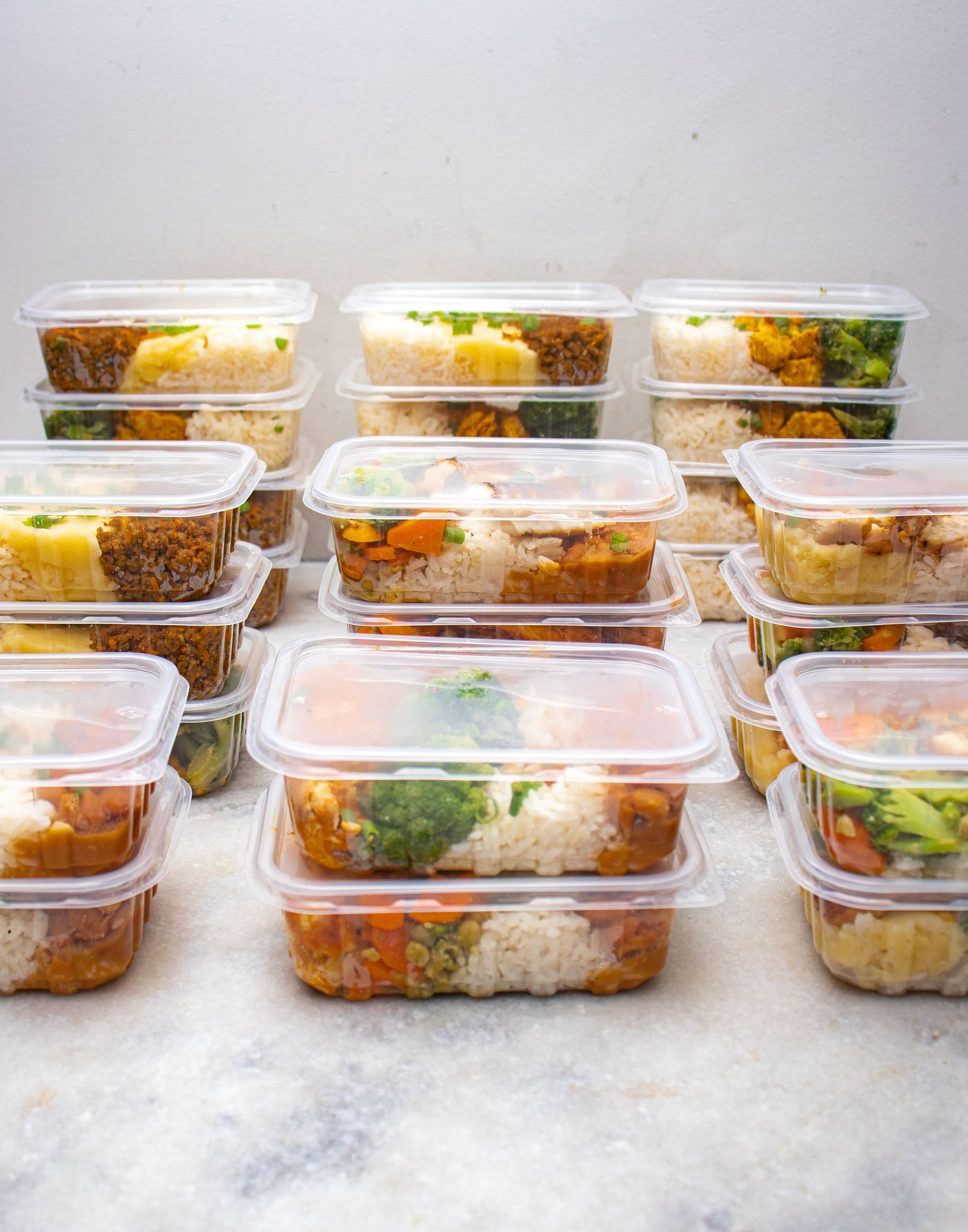 The one-day example above is a good start, but when I was first diagnosed with Barrett’s, what I really wanted was a full week I could just follow without overthinking every meal. So here’s the Barrett’s esophagus diet menu I’d hand to a friend. I put it together from my own experience living with Barrett’s and from my BS in Nutrition. It’s built on the gentle foods from the food list above: low-fat, low-acid, and nothing fried, with no tomato, citrus, chocolate, or mint.
Treat it as a template. Swap meals between days, repeat the ones you like, and drop anything you know bothers you.
Here’s my Barrett’s esophagus diet menu for a full week. Print it, stick it on the fridge, and swap days around as you like. Any meal marked (R) has an easy recipe further down this page.
| Day | Breakfast | Lunch | Dinner | Snack |
|---|---|---|---|---|
| Day 1 | Banana oatmeal (R1) | Grilled chicken, brown rice, green beans | Herb-baked cod (R4), sweet potato, broccoli | Honeydew melon |
| Day 2 | Egg-white scramble on toast (R2) | Turkey sandwich + a pear | Baked chicken, quinoa, roasted zucchini | Low-fat yogurt + honey |
| Day 3 | Whole-grain cereal + peaches | Chicken & rice bowl (R3) | Turkey & squash skillet (R5) | Gentle snack mix (R6) |
| Day 4 | Banana oatmeal (R1) (try apple + cinnamon) | Leftover turkey & squash over greens | Baked salmon, asparagus, brown rice | Banana |
| Day 5 | Two boiled eggs + toast | Tomato-free lentil & carrot soup | Grilled chicken, mashed sweet potato, green beans | Cantaloupe |
| Day 6 | Banana-spinach-oat smoothie | Tuna with yogurt on greens | Baked turkey meatballs, olive oil & herb pasta, zucchini | Gentle snack mix (R6) |
| Day 7 | Egg-white scramble (R2) or oatmeal with pear | Chicken & rice bowl (R3) (use barley) | Herb-baked fish (R4) (tilapia), quinoa, squash | Low-fat yogurt + melon |
Tips for Making This Menu Work
The food is only half of it. These habits made the biggest difference for me:- Watch your portions. A big meal stretches the stomach and puts pressure on the valve at the bottom of the esophagus. Fill your plate about halfway with vegetables, a quarter with lean protein, and a quarter with whole grains.
- Eat smaller, more often. Three moderate meals and a light snack are usually gentler than two huge ones.
- Stop eating about 3 hours before bed. This was the hardest habit for me to build and the one that helped most with nighttime reflux. If dinner is at 6, you’re set for a 9 or 10 o’clock bedtime.
- Slow down. Put your fork down between bites. Rushed meals tend to mean bigger meals.
- Stay upright after eating. A short walk after dinner beats the couch.
- Track what you eat. Jot down meals and symptoms for a couple of weeks. Your own triggers matter more than any list, this one included.
Barrett’s Esophagus Diet Recipes: 6 Easy Meals I Make
These are the simple meals I come back to again and again. Each one is low in fat, has no tomato, citrus, chocolate, mint or hot spice, and uses things from any grocery store. Everyone’s triggers are different, so swap out anything that bothers you, and talk to your doctor or dietitian about what’s right for you.1. Banana Oatmeal (Breakfast)
You need: ½ cup rolled oats · 1 cup water or low-fat milk · ½ banana, sliced · pinch of cinnamon Steps:- Bring the water or milk to a simmer and stir in the oats.
- Cook about 5 minutes, stirring now and then.
- Top with the banana and cinnamon.
2. Egg-White Scramble on Toast (Breakfast)
You need: 3 egg whites (or 1 egg + 2 whites) · handful of spinach · 1 tsp olive oil · 1 slice whole-grain toast · pinch of salt Steps:- Warm the oil in a nonstick pan over medium-low heat.
- Wilt the spinach for 1 minute.
- Add the eggs and stir gently until just set. Serve on the toast.
3. Chicken and Brown Rice Bowl (Lunch)
You need: 1 cup cooked brown rice (or barley) · 3–4 oz shredded cooked chicken · 1 carrot, steamed and sliced · handful of spinach · 1 tsp olive oil · pinch of salt and dried parsley Steps:- Warm the rice and chicken.
- Add the carrot and spinach; the heat will wilt the greens.
- Drizzle with the oil and season with salt and parsley.
4. Herb-Baked Fish (Dinner)
You need: 1 cod or tilapia fillet (4–5 oz) · 1 tsp olive oil · dried dill or parsley · pinch of salt · 1 small sweet potato · broccoli Steps:- Heat the oven to 400°F. Bake the sweet potato (cut into cubes) for 15 minutes first.
- Add the fish to the pan, brush it with oil and sprinkle on the herbs and salt.
- Bake 12–15 more minutes, until the fish flakes. Steam the broccoli while it bakes.
5. Turkey and Squash Skillet (Dinner)
You need: 1 lb lean ground turkey (93% or leaner) · 2 zucchini or yellow squash, diced · 2 handfuls spinach · 1 tsp olive oil · dried basil · salt Steps:- Brown the turkey in the oil in a nonstick pan for 6–8 minutes.
- Add the squash and cook about 5 minutes until soft.
- Stir in the spinach, basil and salt. Serve over brown rice.
6. Gentle Snack Mix (Snack)
You need: 1 cup plain puffed rice or oat cereal (unfrosted) · ¼ cup unsalted almonds, if tolerated · ¼ cup dried banana chips (baked, not fried) or chopped dried pears · pinch of cinnamon Steps:- Mix everything in a bowl.
- Portion into small bags of about ½ cup each.
- Keep them in the cupboard for up to a week.