
Ginger is the remedy everybody’s grandmother swore by. Upset stomach? Ginger ale. Feeling queasy? A little ginger tea. So it’s no surprise that people in my Facebook group ask me about ginger almost every week.
I lived with acid reflux and Barrett’s esophagus for 19 years. I studied nutrition at the University of Florida, and my last scope came back clear. Here’s exactly what I did: I changed what and when I ate, worked on my weight and my sleep, followed my doctor’s plan, and drank a cup of Barrett’s Tea every single night.
Ginger was part of my kitchen the whole way through. What I learned is that ginger can be a friend to a reflux stomach, but only when you use a little of it, in the right form.
Is Ginger Good or Bad for Acid Reflux?
For a lot of people, a small amount of ginger sits just fine. Ginger has been used for thousands of years to settle the stomach. Research shows it can help with nausea and may help food move through the stomach a bit faster. A stomach that empties well is less likely to push acid back up.
Ginger isn’t acidic, and it has no caffeine. That already puts it ahead of coffee, citrus, and tomato sauce.
The catch is the amount. Fresh ginger has a real bite. In large amounts, ginger can actually cause heartburn and an upset stomach. Researchers have noted that more than about 4 to 6 grams a day (roughly a heaping tablespoon of fresh grated ginger) is where trouble tends to start.
So it comes down to a few things:
- Amount. A few thin slices in tea is very different from a ginger shot.
- Form. Warm, mild ginger tea is gentle. Fizzy ginger ale is not.
- What it’s mixed with. Ginger with honey is soft. Ginger with lemon or hot pepper is a different story.
- Your own body. Some people love ginger. A few feel a burn from even a little.
Triggers are personal, so I always say: test, don’t guess.
How I Use Ginger
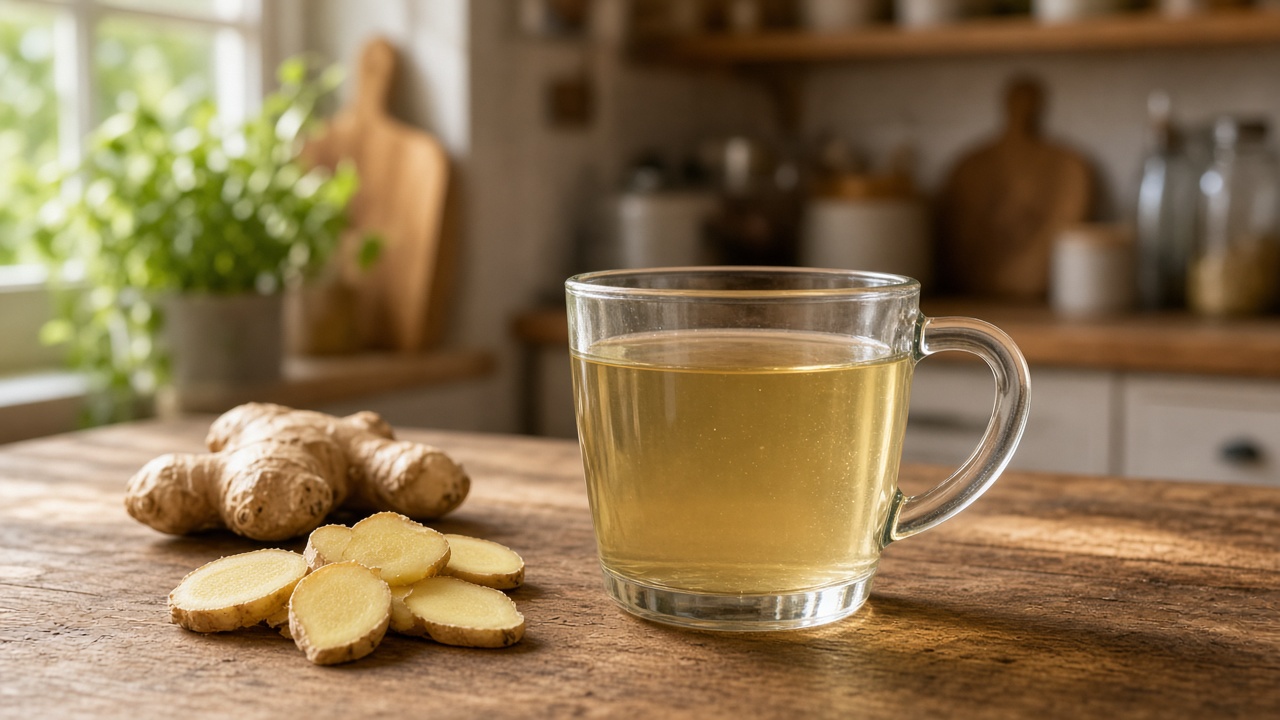
My favorite way is the simplest. I take a piece of fresh ginger about the size of my thumbnail, slice it thin, and let it steep in hot water for 5 to 10 minutes. Then I let it cool until it’s warm, not scalding. Very hot drinks can bother a sore throat.
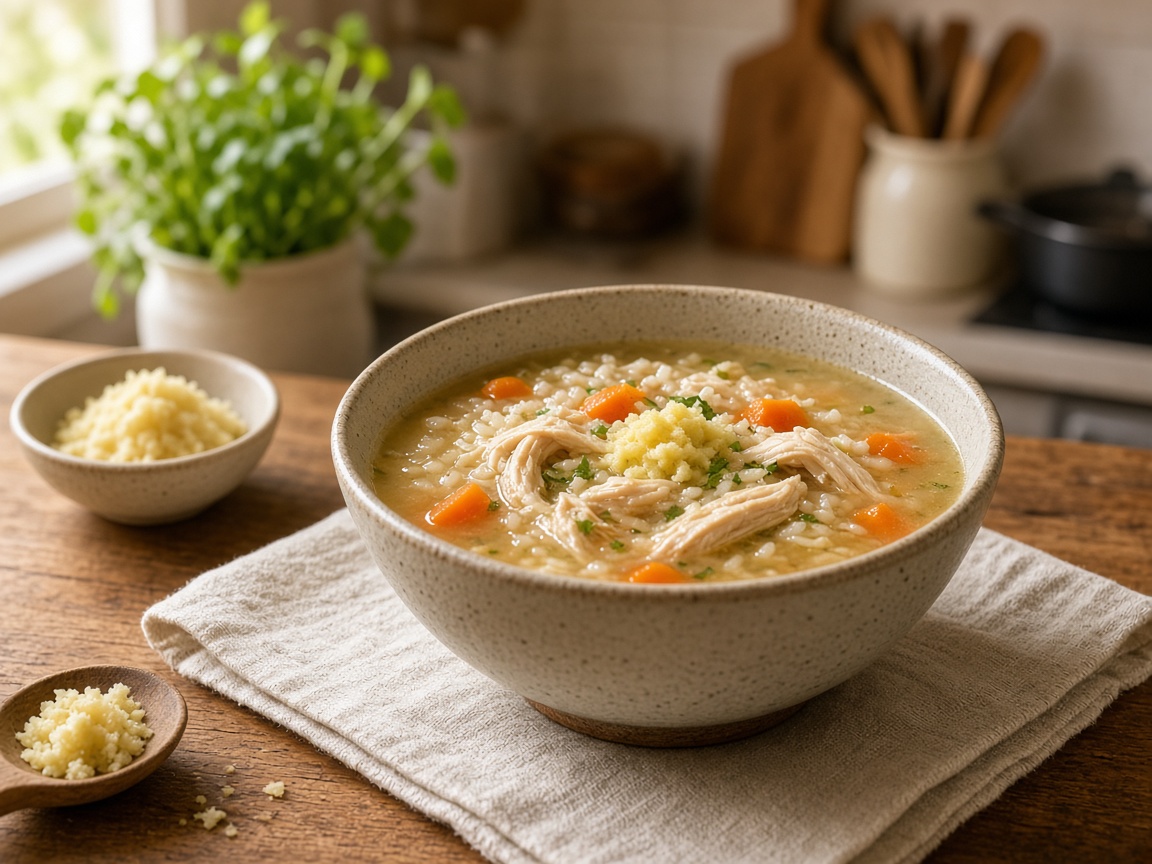
I also grate a small amount into cooking. A half teaspoon of fresh ginger goes a long way in chicken soup, rice, or steamed carrots. It adds flavor so I don’t miss the spicy sauces I used to reach for.
| How I Use It | How It Feels for Me | Tips |
|---|---|---|
| Mild ginger tea from a few fresh slices | Gentle, my favorite | Steep 5 to 10 minutes, drink it warm |
| Grated into chicken soup | Gentle | About half a teaspoon per pot |
| In rice, carrots, or a mild stir-fry | Gentle | Skip the hot chili oil and garlic-heavy sauces |
| Ginger tea with a little honey | Gentle | One teaspoon of honey is plenty |
| Candied ginger or ginger chews | Sometimes fine | High in sugar, so one small piece |
| Ginger ale or ginger beer | Usually a problem | The bubbles are the trouble, and most have little real ginger |
| Ginger shots or big supplement doses | Usually a problem | Too strong for a reflux stomach |
| Ginger with lemon | Usually a problem | Lemon is acidic |
Gentle Foods That Go Well With Ginger
These pairings work for me:
- Chicken soup with carrots and celery
- Plain rice or a small baked potato
- Steamed carrots, green beans, or squash
- Oatmeal with a pinch of ground ginger (here’s how I make oatmeal gentle)
- Baked chicken or fish
- A small drizzle of honey in ginger tea (I wrote about using honey gently)
What I Skip
These are the ginger habits that gave me trouble or that I steer clear of:
- Ginger ale. I know it’s the classic. But the carbonation fills the stomach with gas, and that pushes things up. Most store brands have lots of sugar and very little ginger.
- Ginger shots. Those little bottles of strong ginger juice are often mixed with lemon or cayenne. That’s a lot of heat for a reflux stomach.
- Lemon-ginger tea. The ginger is fine. The lemon is the problem for me.
- Pickled sushi ginger. It’s soaked in vinegar, which is acidic.
- Spicy ginger dishes. Ginger-garlic-chili stir-fries and curries bring other triggers along with them.
My Acid Reflux Foods to Avoid article covers the rest of the foods I limit.
Tips If You Want to Try Ginger
- Start small. Two or three thin slices of fresh ginger in a mug of hot water.
- Drink it warm, not hot. Let it cool for a few minutes first.
- Sip it slowly. Gulping any drink can bring on burping and reflux.
- Try it after a meal, not on an empty stomach. Some people feel ginger more when the stomach is empty.
- Leave out the lemon. Use a teaspoon of honey if you want it sweeter.
- Keep notes. Write down what you had and how you felt. In a week or two you’ll see your own pattern.
Ginger Tea and My Evening Wind-Down
Nights were the hardest part for me. I used to snack late and go to bed on a full stomach, and that’s when the burning was worst. Now I finish dinner about 3 hours before bed, sit up, and make a warm cup of caffeine-free herbal tea.
Ginger is one of the herbs in the blend I drink every night, along with chamomile, which has been used for generations as a bedtime herb. The ginger is mild. It gives a soft warmth, not a spicy bite. If you’d like to try it, you can Yes! Send My First Month for $49 Start My Monthly Tea for $39
Free shipping. The $49 option is one-time. Cancel the $39 plan anytime by email..
You’ll find more calm-evening ideas in my article on GERD at night, and more gentle drinks in my best drinks for acid reflux guide.
Frequently Asked Questions
Is ginger bad for acid reflux?
Not for most people in small amounts. Large amounts of ginger can cause heartburn. A few thin slices in tea or a little grated into food is a good place to start.
Is ginger acidic?
No. Ginger isn’t an acidic food like lemon or tomatoes. The bigger concern is using too much at once.
Is ginger ale good for acid reflux?
Usually not. The bubbles can push acid up, and most ginger ales are mostly sugar water with very little real ginger. Warm ginger tea is a better choice.
Can I drink ginger tea at night with acid reflux?
I do. A warm, mild cup of caffeine-free herbal tea is part of how I wind down. Just keep it mild, skip the lemon, and sit up while you drink it.
Is ginger good for silent reflux?
Some people with silent reflux do fine with mild ginger tea. Drink it warm, not hot, so it’s easy on the throat. My silent reflux (LPR) foods article lists what I eat and what I avoid.
Can I have ginger with Barrett’s esophagus?
I did. Ginger fits on my Barrett’s esophagus food list. Keep the amount small, use it in gentle foods and mild tea, and follow your own doctor’s advice for your situation.
The Bottom Line
Ginger can be a gentle, comforting part of a reflux-friendly kitchen when you keep it small and simple. Steep a few thin slices for a warm cup of tea, grate a little into soup or rice, and skip the ginger ale, ginger shots, and lemon-ginger mixes. Pay attention to how you feel, and keep notes so you learn your own pattern.
Want a simple list of what to eat and what to skip? Grab my free Acid Reflux Food Guide here.